

A holiday gathering asks more of a house than an ordinary Thursday. Every burner is on, the oven hasn't been empty since morning, the dishwasher runs twice, and there's a short line outside the bathroom. Out front, cars fill the street.
Most homes handle it just fine. A little preparation in the week or two before makes it more likely that yours will, and that the only surprise of the day is how much pie is left.
Give Your Kitchen a Trial Run
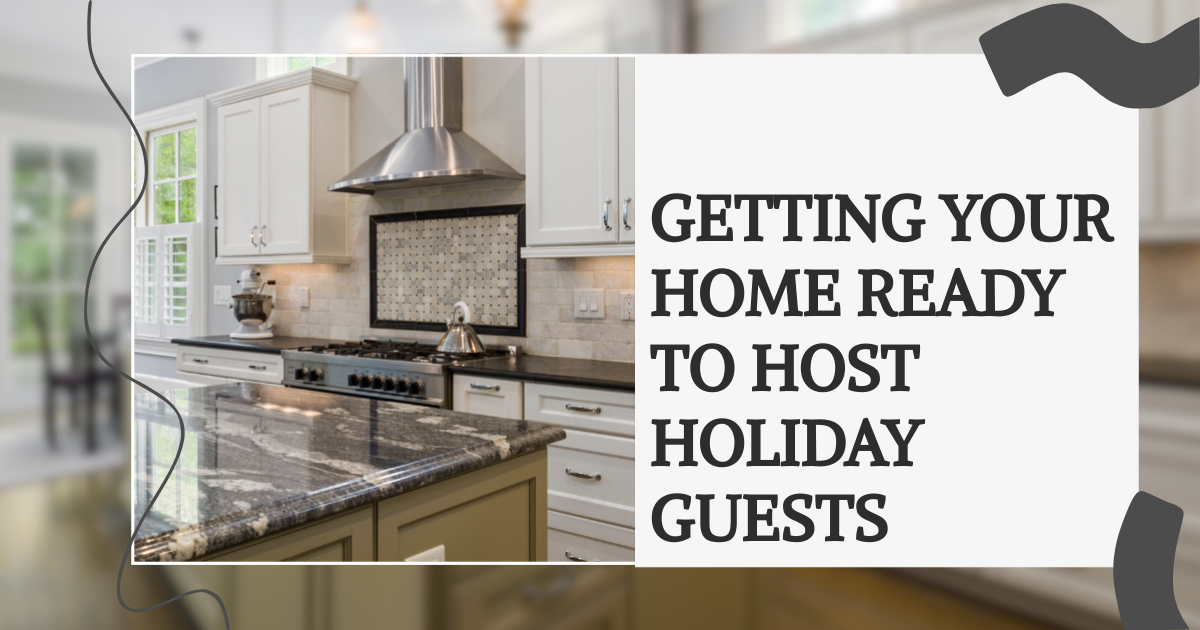
A holiday meal is often the one day a year when every appliance runs at once. Try that combination a few days early. Turn on the oven, a couple of burners, the range hood, and the countertop appliances you plan to use, like a slow cooker, roaster, or coffee maker.
This shows you two useful things. First, whether a circuit breaker trips when several appliances share a circuit. If one does, spread those appliances across different outlets and make a note to ask an electrician about it after the holidays. Second, whether the oven heats properly and the hood vents the way it should. Better to learn that on a quiet Saturday than with a turkey waiting.
Kitchen safety deserves a moment too. The National Fire Protection Association reports that Thanksgiving is the leading day of the year for home cooking fires in the U.S., and unattended cooking is the most common contributing factor. Stay in the kitchen while food is on the stove, keep a lid nearby to cover a small pan fire, and make sure a fire extinguisher is easy to reach.
Go Easy on Your Drains and Garbage Disposal
Holiday cooking produces plenty of things drains don't like. Grease and fat harden as they cool and can cling to the inside of pipes. Potato peels, celery, onion skins, and coffee grounds can clump in a garbage disposal or catch farther down the line.
A few habits help. Let grease cool in a can or jar, then throw it away or follow your community's disposal guidance. Scrape plates into the trash or compost before rinsing. Run the disposal in short bursts with plenty of cold water.
Guest bathrooms will see more traffic than usual. A plunger tucked beside each toilet and a small wastebasket in each room can save someone an awkward moment.
Prepare the Guest Spaces
Overnight guests need a place to sleep, and it might be a guest room, a pull-out sofa, or an air mattress in the home office. Wherever they land, a few checks make the space safer and more comfortable.
Test the smoke alarms and carbon monoxide alarms near sleeping areas and replace any batteries that need it. Make sure the path from the guest's bed to the bathroom is clear, and put a nightlight in the hallway. Nobody knows where the light switches are in someone else's house at 2 a.m.
Set out extra blankets and a spare pillow. Rooms that stay closed most of the year can run cooler than the rest of the house, so check the temperature with the door shut and adjust the vent or add another blanket as needed.
Make the Way In Easy
Guests notice the entry first. Check that steps and railings are secure, outdoor lights work, and the walkway is clear. In colder areas, keep salt or ice melt by the door in case of an icy morning.
Inside, plan a spot for coats, boots, and wet umbrellas so they don't pile up in the hallway. A boot tray or an old towel by the door protects the floors.
If extra cars will line the street, a quick heads-up to neighbors is always appreciated, especially anyone who needs their driveway clear.
Plan for the Day After
Once guests head home, the house needs a little attention. Dispose of cooled grease properly instead of pouring it down the sink. Check your local trash and recycling schedule, since holiday weeks often shift pickup days, and decide where the extra bags will wait.
Run hot water through drains that worked hard the day before. If a sink or tub is draining slowly, deal with it before it becomes a full clog. When something does need a professional, calling early in the week helps, since plumbers are often busy right after a holiday.
Frequently Asked Questions
How do I get my house ready for holiday guests?
Start with the kitchen, drains, guest sleeping areas, and entryway. Test appliances together, check smoke and carbon monoxide alarms, and clear walkways a few days before guests arrive.
Why does my breaker trip when I'm cooking a big meal?
A breaker can trip when several high-power appliances share one circuit. Spread appliances across different outlets, and ask an electrician to take a look if it keeps happening.
What shouldn't go down a garbage disposal at Thanksgiving?
Avoid grease, fat, potato peels, celery, onion skins, and coffee grounds. They can clump in the disposal or cling to pipes and cause clogs.
How should I get rid of cooking grease?
Let it cool, pour it into a sealed can or jar, and throw it away. Some communities also offer grease drop-off locations or specific disposal guidance.
Do I need a carbon monoxide alarm near a guest room?
Carbon monoxide alarms are recommended near sleeping areas, and requirements vary by location. Test existing alarms before guests arrive and check your local rules.
How can I make a guest room more comfortable?
Add extra blankets, a nightlight, and a clear path to the bathroom. Check the room's temperature with the door closed, since rooms that aren't used often can run cooler.
When should I fix a plumbing problem before the holidays?
As early as possible. Slow drains and running toilets are much easier to schedule a week or two ahead than in the days right before or after a holiday.