

Most homeowners think preparing a house to sell means granite countertops and luxury vinyl plank in every room. That's one way to do it, but here's what we've learned after years of walking through homes before they hit the market: buyers don't fall in love with renovations. They fall in love with spaces that feel clean, bright, and easy to imagine themselves in.
When you're working with a fixed budget, the goal isn't to remodel. The goal is to remove every little reason a buyer might hesitate or lowball their offer. That's where this $1,500 breakdown comes in. This is exactly how we'd allocate a realistic budget to make a home show better in photos, feel better during showings, and ultimately sell faster.
$400: Deep Clean and Carpet Work
This is the single highest-return item on the list, and we're putting it first for a reason. Buyers walk into a home and within thirty seconds, they've made a judgment about how well the house has been maintained. Grime around faucets, dusty baseboards, and stained grout tell them the house has been neglected, even if the roof was replaced two years ago.
We'd hire a professional cleaning service to scrub the whole house top to bottom. That means inside cabinets, behind appliances, window tracks, and light fixtures. If the carpets are salvageable, we'd have them professionally cleaned and deodorized. If there's a specific stain that won't come out or a smell that lingers, we'd replace just that section or room of carpet with a neutral builder-grade option from a big-box store. The flooring doesn't need to be impressive, but clean enough that buyers stay focused on the space instead of the stains.
$300: Paint Touch-Ups and Wall Repairs
You don't need to repaint the whole house, but you do need to fix the walls that make buyers wonder what else has been ignored. We're talking about patching holes from curtain rods, fixing that one corner where the drywall cracked, and painting over scuff marks in high-traffic areas.
Buy a couple gallons of neutral paint in eggshell or satin finish. Agreeable Gray, Repose Gray, Swiss Coffee, something that photographs well and doesn't look too warm or too cool in different lighting. Then focus on the spaces buyers see first: the entryway, the main hallway, and any room with noticeable damage. If a bedroom has a bright purple accent wall, this is your chance to neutralize it.
The goal is to walk through the house and not have your eye pulled to anything that looks unfinished or sloppy. Buyers should be looking at the layout and the light, not at the chipped paint behind the door.
$250: Front Door and Entry Refresh
Curb appeal matters, but you don't need to re-landscape the whole yard. The front door is the single most photographed part of the exterior, and it sets the tone before anyone even steps inside. If the door is faded, scratched, or just boring, give it a fresh coat of paint in a color that complements the home's exterior. A clean black, navy, or even a bold red can make the whole house feel more intentional.
While you're at it, replace the doormat, clean or replace the house numbers, and make sure the porch light works. If the front door hardware is tarnished, swap it out for something simple and modern. You can find quality handles and deadbolts for under $50. Add a potted plant or two on either side of the door if there's space. You're creating a moment that feels welcoming, not one that feels like the seller stopped caring five years ago.
$200: Lighting Upgrades
Bad lighting kills deals. Rooms that feel dark or dingy in person will photograph even worse, and once a buyer sees a dim listing photo, they've already moved on mentally. Walk through the house and identify any room that feels cave-like or anywhere a fixture looks dated or broken.
Replace outdated ceiling fans with simple flush-mount LED fixtures. Swap out brass or bronze fixtures in the bathroom for brushed nickel or matte black. Add higher-wattage LED bulbs in every room and make sure they're all the same color temperature, ideally around 3000K for a warm but bright feel. If a room doesn't have overhead lighting, add a couple of inexpensive floor lamps or plug-in sconces to brighten corners.
Buyers want to walk into a space that feels open and airy. Lighting does more for that feeling than almost any other fix at this price point.
$150: Hardware and Fixture Updates
Cabinet hardware and bathroom fixtures are small details that make a surprisingly big difference. If your kitchen cabinets still have the original brass pulls from 1998, buyers will notice. Replacing them with modern brushed nickel or matte black handles takes less than an hour and costs around $3 to $5 per pull.
Same with faucets. If the kitchen or bathroom faucet is corroded, leaking, or just ugly, replace it. You can find builder-grade faucets that look clean and modern for $40 to $80. A simple update here prevents buyers from mentally subtracting money from their offer because they assume everything needs replacing.
$100: Exterior Touch-Ups
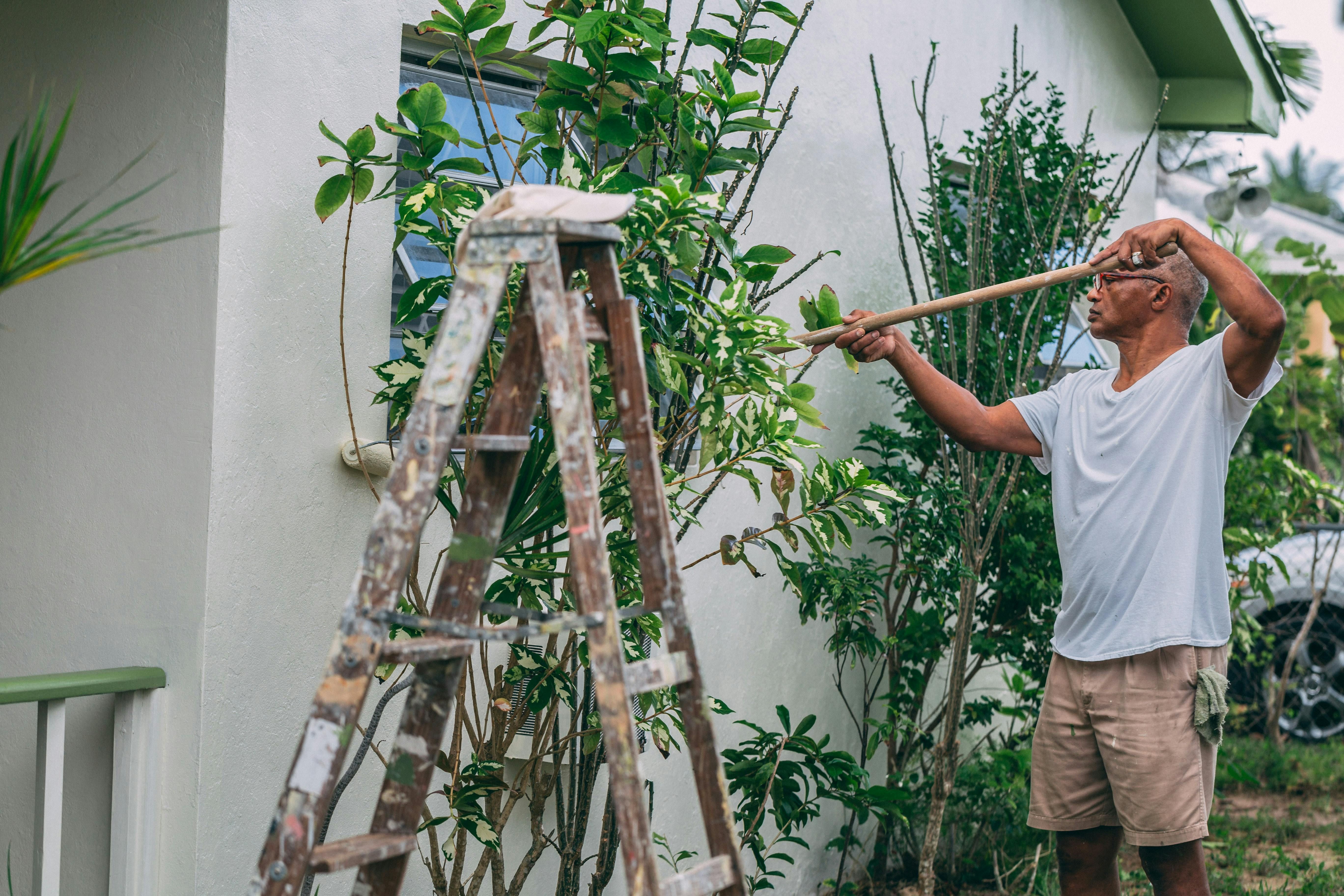
Walk the perimeter of the house and look for easy wins. Power wash the siding, walkways, and driveway. It costs about $50 to rent a power washer for a day, or you can hire someone to do it for $100 to $150 if you'd rather not DIY it. Trim any overgrown shrubs blocking windows or pathways. Replace or repaint any shutters that are faded or hanging crooked.
If the mailbox is rusty or leaning, replace it. If the gutters are sagging or full of leaves, clean them out. These are the things buyers see when they pull up to the curb, and first impressions happen fast.
$100: Staged Spaces and Small Decor Adjustments
You don't need to hire a professional stager, but you do need to make sure the house doesn't feel cluttered or confusing. Remove half the furniture in each room so spaces feel larger. Clear off all countertops except for one or two decorative items. Pack away personal photos, kids' artwork, and anything that makes the space feel too specific to your life.
Use this small budget to pick up a few neutral throw pillows, a simple area rug, or some faux greenery to soften empty corners. The idea is to help buyers visualize the potential of each room without distraction. A bedroom should look like a bedroom, not a storage room with a bed in it.
Final Thoughts
This approach won't win any design awards, but that's not the point. The point is to spend money where it will actually move the needle on buyer perception, photography quality, and final sale price. Every dollar here is focused on eliminating objections and making your home feel like the kind of place someone can imagine moving into next month.
If you're getting ready to list and want a custom $1,500 plan tailored to your specific home, let's walk through it together. We'll identify the fixes that matter most for your market and your buyer pool, so you're spending smart and selling fast.